Press releases
Cross-border cooperation: Entrepreneurial education for 200 textile students in R.Moldova and Romania
Around 200 students from Chisinau and Iași participated in an entrepreneurial education programme between September 2020 and March 2022 with a view to developing business management skills. Young beneficiaries of the Romania-Moldova Cross-Border Programme — Collaborative entrepreneurial education (Collaborative Entrepreneurial Education – EEC) were the students of textile faculties at the Chișinău Technical University and the Technical University ‘Gheorghe Asachi" Iași. The craft was involved for 18 months in various activities, including entrepreneurial education tab (Bootcamp), exchange of best practices and training courses. Moreover, several textile companies visited several companies with a textile profile in both Romania and R.Moldova to inform themselves with the rules and realities in the business world. The EEC project was implemented by the Organisation for the Development of Small and Medium-Sized Enterprises (ODIMM) in partnership with the County of Small and Medium-sized Enterprises Iași, the Technical University of Moldova-Chișiu and the Technical University “Gheorghe Asachi” Technical University Iași with the financial support of the European Union, through the Romania-Mold Republic of Moldova Cross-Border Programme.
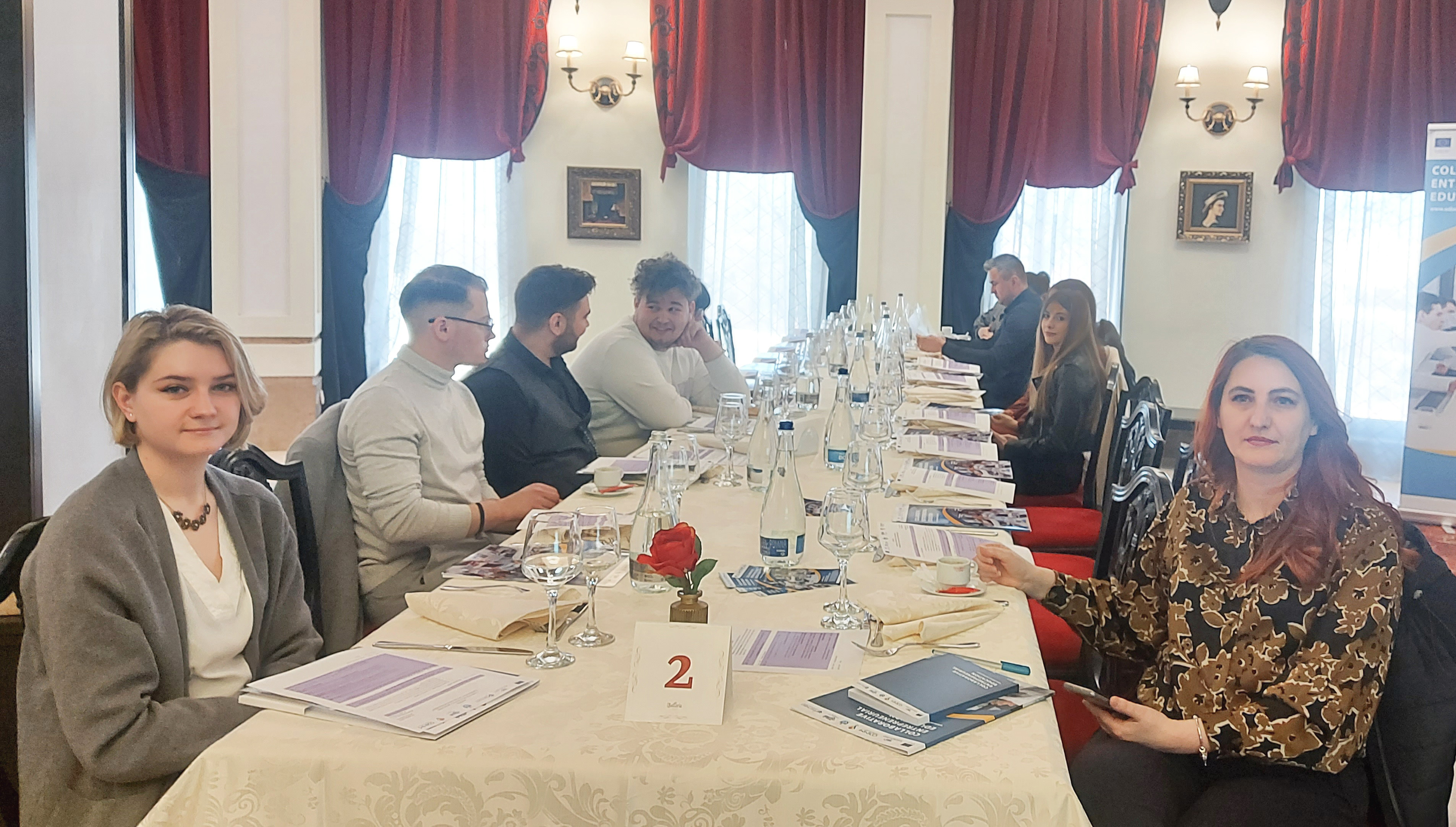
At the Project Closure Conference ‘Collaborative entrepreneurial education” Neculai Vizelaru, the President of the County Employee of Small and Medium-sized Enterprises in Iași reinforced the vision of the business environment in the context of cross-border bilateral relations.
“The Business Environment vision of the results of this project is based on 4 pillars: a) creating a business ecosystem capable of meeting the challenges of the future; b) qualified personnel resources with competent information technology; C) supporting entrepreneurial initiatives; d) Digitising the relationship between the private sector and public administration. In the future, we want to multiply the results of the project and develop in other bilateral projects.’
Project manager, Irina Aga, head of the ODIMM Entrepreneur Training Centre highlighted that this cross-border cooperation is a platform for strengthening the partnership between universities and the textile industry on both sides of the Prutiny.
“This initiative supports the development of students’ entrepreneurial skills to increase access to innovations, funding and training of a new generation of entrepreneurs. Therefore, the integration of entrepreneurial education into the academic study programme has the capacity to help students develop new training approaches, as well as skills for critical thinking in creative problem solving”.
Victor Poedethe representative of the Regional Office for Cross Border Cooperation reiterated that such projects are necessary and useful to support the entrepreneurial culture of the two countries.
At the same time, the representative of STC Iași assured the beneficiaries of the cross-border project from the full support of the programme structures, the Managing Authority and the Chief Executive Office of Chișinău.
The University of the Technical University of the Republic of Moldova, the University of the Republic of Moldova, of the textile and polygrathic faculty, Sergiu Tronciu welcomed the fruitful collaboration between the two universities on both sides of the Prutiny, expressing confidence that in the near future future graduates would make use of the know-how gained in the project and be in the world of prosperous business people.
According to the project coordinator, Ana Sokea higher specialist in the Directorate for Star-up ODIMM Finance has been designed as part of this initiative the concept of a National programme to speed up the establishment of partnerships between academia and entrepreneurship; a study on the demonstration of student needs in managing a business has been prepared. At the same time, 120 students have been trained in the field of entrepreneurship; 60 young people participated in an entrepreneurial education tab (Bootcamp), and 20 participated in the exchange of students between the two partner universities.
The project provided a clear picture of the need to introduce in curricula for university studies of objects in the field of entrepreneurs to faculties without economic profile.